Rubbish removal on Upper Street N1 fast local tips
Posted on 30/04/2026
Rubbish removal on Upper Street N1 fast local tips: a practical local guide
If you need rubbish gone quickly on Upper Street N1, the best approach is usually the simplest one: sort it fast, separate what can be reused, and choose a local service that knows the area well. That sounds obvious, but in real life it saves time, stress, and a few awkward back-and-forth messages. Upper Street is busy, parking can be tight, and a pile of waste outside a flat or shop can become a nuisance sooner than you think. So whether you're clearing a one-bedroom flat near Angel, dealing with post-refurbishment mess, or just trying to reclaim a hallway that has somehow become a storage unit, this guide will walk you through the smart way to handle Rubbish removal on Upper Street N1 fast local tips without overcomplicating it.
We'll cover how local rubbish removal works, what to check before you book, how to avoid common mistakes, and which services tend to fit different situations best. You'll also find a checklist, a comparison table, and some plain-English guidance on compliance and best practice. Nothing fluffy. Just the useful stuff.
For readers looking to explore related services, it can also help to look at rubbish collection in Islington, the wider waste removal service area, or more specific options such as builders waste disposal in Islington if you're dealing with renovation debris.

Why Rubbish removal on Upper Street N1 fast local tips Matters
Upper Street sits in one of those parts of London where everyday logistics can turn into a mini project. The street is lively, a bit relentless at times, and full of homes, businesses, restaurants, shared buildings, and foot traffic. That mix is great for local life, but it also means waste has to be handled sensibly and quickly. A sofa left by the kerb, a stack of old office furniture, or a heap of builder's rubble can get in the way fast.
Speed matters for a few reasons. First, nobody wants clutter hanging around longer than necessary. Second, in a busy urban setting, rubbish can attract complaints, block access, or make a property look neglected. And third, the longer waste sits, the more likely it is to become harder to remove, especially if weather, access, or fly-tipping risks come into play. Truth be told, people often leave it too long because they are waiting for the "perfect" moment. There usually isn't one.
Fast local tips are especially useful on Upper Street because local knowledge helps with the practical bits: parking restrictions, narrow entrances, timed loading, and the fact that not every building has easy lift access. If you've ever tried carrying a broken wardrobe down a Victorian staircase while dodging a bicycle and a delivery driver, you'll know exactly what that means. Not glamorous, but very real.
If you are planning a bigger clear-out, the context of the area can help too. For example, people moving into the neighbourhood may pair rubbish removal with property changes, and guides like house purchases in Islington or the Islington living experience can give a little more local perspective. That matters because waste removal is often part of a wider move, refurb, or reset.
How Rubbish removal on Upper Street N1 fast local tips Works
At its core, local rubbish removal is a straightforward service: a team comes to the property, loads the waste, and takes it away for sorting, recycling, disposal, or recovery depending on the material. The process is usually faster than hiring a skip, especially if you need the waste gone on the same day or the next day. That said, the exact flow depends on what you're removing.
For a typical collection, the sequence looks something like this:
- You describe the rubbish, access, and volume.
- You get a quote or estimate, often based on load size and waste type.
- A collection slot is booked, sometimes very quickly if the provider has local availability.
- The team arrives, assesses access, and removes the waste.
- The waste is sorted for reuse, recycling, or disposal.
That last step is worth paying attention to. A good provider does more than just "take stuff away." They should know what can be diverted from landfill, what needs specialist handling, and what should never be mixed with general household waste. For a broader view of how services are structured, the services overview is useful, and if you are comparing more than one job type, the pricing and quotes page can help set expectations before you book.
On Upper Street, access is often the deciding factor. If waste is on the third floor with no lift, or in a rear courtyard with limited entry, the crew needs to know that in advance. A realistic description saves everyone time. It also keeps the quote fair, which is no small thing.
Key Benefits and Practical Advantages
Fast local rubbish removal is not just about convenience. It has a few practical advantages that make a real difference in day-to-day life.
- Speed: The main appeal is obvious. You get the space back quickly, often without waiting around for council pickup windows or a skip permit process.
- Less disruption: In a busy street like Upper Street, a quick collection reduces clutter at the front of the building and keeps hallways, pavements, and access points clear.
- Flexible volumes: You do not need to fill a whole skip. That is ideal for mixed loads, one-off bulky items, or smaller clear-outs.
- Better for awkward access: Narrow stairwells, basement flats, and shared entrances are common around N1. A man-and-van style collection or loading crew is often easier than organising large containers.
- Sorting support: The better services know how to separate reusable items, recyclable materials, and general waste.
- Less hassle: No permit to think about in many cases, and less time spent trying to work out who will lift what.
There is also a mental benefit people underestimate. Clutter nags at you. It sits there in the corner of the room, basically arguing for attention every time you walk past it. Once it is removed, the space feels bigger, lighter, and easier to use. That sounds a bit sentimental, maybe, but it is true.
For businesses, the benefits are more operational. A shop refit, office refresh, or venue clear-out can continue with less downtime. If that's your situation, it may be worth checking the dedicated office clearance service or, for bulk household items, house clearance in Islington.
Who This Is For and When It Makes Sense
This kind of service suits a lot more people than you might think. It is not only for major renovations or end-of-tenancy panic. In practice, Upper Street rubbish removal is useful for:
- tenants clearing out before moving
- landlords handling leftover items between lets
- homeowners after decorating or repairs
- shop owners replacing fixtures or disposing of packaging
- office managers clearing old desks, chairs, and filing cabinets
- people dealing with garden waste from small outdoor spaces
- families sorting a loft, shed, or spare room that has become overloaded
It makes sense when time matters, when access is awkward, or when you simply want someone else to do the lifting. To be fair, a lot of people start with the idea of hiring a van themselves and then remember they do not actually want to spend half a Saturday figuring out parking, loading, disposal, and what to do with the broken bits that don't fit neatly in the boot.
Sometimes the best trigger is visual. You open the door, see the pile, and know immediately this is not a "later" job. That is usually the moment to act. If the waste is renovation-related, builders waste disposal in Islington is a more suitable route than general rubbish collection. If it is mostly green material from a tidy-up, garden waste removal in Islington may be the cleaner option.
Step-by-Step Guidance
If you want the fastest and smoothest result, follow a simple process. It avoids the usual delays and keeps the collection efficient.
1. Sort the waste by type
Start by separating general rubbish, bulky items, recyclable materials, and anything that may need special handling. That does not mean you need to become a waste expert. Just group things sensibly. Cardboard with cardboard. Wood with wood. Broken furniture together. The quote tends to be clearer, and the collection tends to move faster.
2. Measure the load roughly
You do not need exact cubic metres unless a provider asks for them, but you should be able to say whether it is a few bags, a half-room, or a full room. A quick photo helps. In our experience, photos avoid 90% of the "oh, I thought it was smaller" conversation. Almost everyone thinks their pile is modest until the hallway is full.
3. Check access before you book
Think about stairs, lifts, parking, loading points, and entry codes. On Upper Street, access details can change the whole job. If a team can park close, the collection is easier. If they have to carry everything a long way, that may affect timing and price.
4. Ask what happens to the waste
Good providers should be clear about sorting and disposal. You do not need a lecture, just a sensible explanation. If recycling and responsible disposal matter to you, it is fair to ask.
5. Book the right slot
If the rubbish is causing a blockage, choose the earliest sensible appointment. If it is not urgent, a slightly later slot may give you time to sort the load properly and save money. Fast is good. Prepared is better.
6. Keep a clear pathway
Before the crew arrives, move small items, open gates, and make sure the route to the waste is clear. It sounds tiny. It is not tiny on the day. A three-minute tidy-up can shave a lot off the collection time.
7. Confirm the final total
Before anyone starts, make sure the quote logic is clear. Is it per load, by volume, by item, or by waste type? That one question avoids surprises later.
If you want a broader sense of how the business handles this, the rubbish collection page and the about us page can help you assess whether the service feels like the right fit.
Expert Tips for Better Results
Here are a few practical tips that make a real difference, especially on a busy London street.
- Take photos in daylight: It sounds basic, but daylight pictures give the clearest sense of volume and access. Evening photos make piles look smaller or stranger than they are.
- Separate heavy and light items: Brick, soil, plasterboard, and mixed builders' waste are different from bagged household rubbish. Mixing them can complicate the job.
- Keep valuables out of the pile: You would be surprised how often old paperwork, chargers, or small electronics get mixed in by mistake. Check twice. Then check again.
- Plan around building access rules: Communal entrances, concierge hours, and neighbour quiet times matter. A few minutes of coordination can prevent a lot of friction.
- Ask about recycling routes: If sustainability matters to you, choose a provider that can explain its approach clearly. The company's recycling and sustainability guidance is a good place to see how that thinking is framed.
- Use the opportunity to declutter properly: One waste collection can solve two problems if you sort what is rubbish, what can be donated, and what should stay.
One useful local habit: keep a "maybe" box during the sort. If something is not obviously rubbish, do not throw it in straight away. Put it aside for ten minutes. That tiny pause saves regret later. And regret is annoying, especially after the van has gone.
Common Mistakes to Avoid
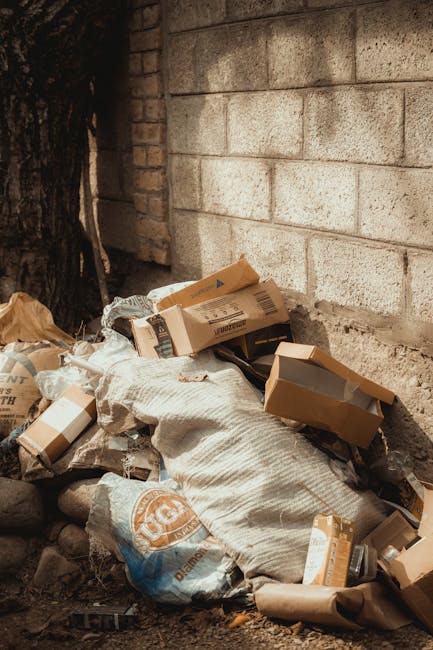
Fast local collections go wrong for the same handful of reasons. The good news is they are easy to avoid once you know them.
1. Giving a vague description
"A bit of rubbish" is not enough. If you want an accurate quote and a smooth collection, describe the items properly. Is it household waste, office furniture, garden cuttings, or post-renovation debris?
2. Forgetting access issues
Many delays happen because the customer forgot to mention the basement stairs, the locked gate, or the lack of nearby parking. Small details, big impact.
3. Mixing restricted or specialist items with general waste
Some items require special handling. If you are unsure, ask before collection rather than slipping them into the pile and hoping for the best. That is rarely a good plan.
4. Leaving sorting until the last minute
If everything is dumped together, the collection takes longer and the quote may become less tidy. A little sorting upfront helps more than most people expect.
5. Choosing on price alone
Cheap is tempting. Of course it is. But if a quote seems unusually low, check what it includes, how waste is handled, and whether the provider is clear about service scope. A fair price is better than a surprise later.
6. Ignoring recycling potential
Some items can be reused, broken down, or recycled. If you throw everything into one mixed heap, you lose that opportunity.
And yes, a lot of this is just common sense. But common sense is strangely easy to forget when you are surrounded by boxes, old shelves, and a chair with one wobbly leg that has somehow survived four moves.
Tools, Resources and Recommendations
You do not need much to organise rubbish removal well, but a few simple tools help.
- Phone camera: Useful for photos of the waste and access points.
- Tape measure: Handy if you want to estimate bulky item size or doorway clearance.
- Strong bags or boxes: Helps keep smaller items tidy and easier to move.
- Labels or markers: Great for separating keep, donate, recycle, and remove piles.
- Gloves: Basic, sensible, and worth having for awkward or dusty items.
When choosing a service, look for clear communication, straightforward pricing, and a sensible explanation of what happens to the waste. The quotes page is helpful if you want to understand how pricing is approached. If you are handling a more complex property clear-out, house clearance support can be more appropriate than a standard collection.
For people who like to understand the company background a bit more before booking, the about us page and the insurance and safety information are worth reading. They help build trust, which honestly matters more than a flashy promise.
Law, Compliance, Standards, or Best Practice
When rubbish is removed professionally, there are a few common-sense compliance points to keep in mind. This is not about getting buried in legal jargon; it is about making sure waste goes where it should.
In the UK, waste should be handled by appropriate, responsible operators, and householders or businesses should be careful not to hand rubbish to someone who cannot explain where it will go. If a provider cannot clearly describe disposal or recycling practices, that is a warning sign. Fly-tipping problems often start with people trying to save a few pounds in the wrong place. Not worth it.
For items like fridges, electronics, paint, chemicals, or anything potentially hazardous, ask how the provider handles them. Specialist items may need separate treatment. It is better to ask a slightly awkward question than to assume.
Best practice also means:
- keeping waste separated where practical
- providing honest descriptions of the load
- making sure access is safe for the removal team
- checking that the service is suitable for the waste type
- using a provider that treats recycling seriously where possible
If you are comparing providers, look at the way they talk about trust and transparency more than how loudly they promise speed. A responsible service is usually the one that answers questions plainly. That is often enough.
Options, Methods, or Comparison Table
There are several ways to get waste removed from Upper Street, and the right choice depends on urgency, volume, and access. Here is a simple comparison.
| Method | Best for | Pros | Watch out for |
|---|---|---|---|
| Man-and-van rubbish removal | Mixed loads, fast turnarounds, awkward access | Quick, flexible, usually no skip permit needed | May cost more than DIY if the load is small |
| Skip hire | Longer projects, steady ongoing waste | Useful for larger refurb jobs, you can load over time | Parking space and permits can be an issue, especially on busy streets |
| Council collection | Occasional bulky household items | May suit simple, low-volume cases | Can involve waiting times and item restrictions |
| Specialist clearance | Offices, houses, builders' waste, or larger clearances | Better suited to complex jobs and multi-item removals | Needs a clearer brief to quote properly |
For many Upper Street jobs, the man-and-van style collection is the most practical because it works around tight access and short time windows. For a refurb or commercial clear-out, a more structured service may be a better fit. If you are dealing with renovation debris specifically, the builders waste disposal page is the natural next step.
Case Study or Real-World Example
Here's a realistic example from a typical Upper Street-style job. A small flat above a shop had accumulated a mix of broken shelving, two bags of old clothes, packaging from a furniture delivery, and a damaged armchair that had been sitting by the door for weeks. Nothing dramatic. Just enough clutter to feel annoying every day.
The first instinct was to "sort it out later," which usually means the pile stays put. Instead, the owner took five photos in daylight, checked the stair access, and grouped the waste into three rough categories: furniture, bagged household rubbish, and cardboard. A local collection was then booked with a clear description of the load and access details.
On the day, the crew arrived, loaded quickly, and sorted the materials afterwards. Because the waste was already grouped sensibly, the job moved smoothly. No searching around for missing pieces, no awkward reshuffling in the hallway, and no last-minute surprise about access. The whole thing was less stressful than expected, which, let's face it, is exactly what people want.
What made the difference was not some clever trick. It was preparation. A few minutes of sorting turned a messy job into a quick one.
Practical Checklist
Use this checklist before arranging rubbish removal on Upper Street N1.
- Have I identified the waste type clearly?
- Have I separated general rubbish from bulky items, recyclables, or specialist waste?
- Do I know roughly how much needs removing?
- Have I checked stairs, lifts, parking, and entry access?
- Have I taken a few clear photos in daylight?
- Do I know whether the job is household, office, garden, or builders' waste?
- Have I asked how the waste will be sorted or disposed of?
- Have I read the provider's pricing guidance?
- Is the collection time realistic for my schedule?
- Have I cleared the route to the items?
- Have I removed anything I want to keep, donate, or recycle separately?
- Do I understand any special handling needs for the load?
A small prep list like this makes a much bigger difference than people expect. It saves time, improves accuracy, and reduces the chance of that slightly embarrassing moment when the team turns up and the pile is not quite what was described.
Conclusion
Fast local rubbish removal on Upper Street N1 is really about clarity, timing, and choosing the right kind of help. If you sort the waste properly, share access details early, and use a provider that understands local conditions, the whole job becomes far simpler than it looks at first glance. That is especially true in a busy part of Islington where space is tight and nobody wants waste sitting around longer than it should.
The best results usually come from a mix of practical planning and plain old honesty about what needs removing. Not every job needs a huge solution. Sometimes a same-day collection and a bit of sensible sorting is all it takes to get your home, shop, or office back into shape. And once the clutter is gone, the difference is immediate. The room breathes again.
Get a free quote today and see how much you can save.
If you'd like to explore the wider area or understand how rubbish removal fits into local living and property changes, the guides on Islington's local character, property investment in Islington, and Islington event venues may be useful too.

Copyright © . House Clearance Islington. All Rights Reserved.