Skip alternative rubbish removal for Highbury Fields homes
Posted on 29/05/2026
Skip alternative rubbish removal for Highbury Fields homes: a practical local guide
Highbury Fields homes are a bit of a mixed bag in the best possible way. You've got period flats, converted terraces, family homes, compact apartments, and the occasional renovation project that seems to expand overnight. That mix is exactly why skip alternative rubbish removal for Highbury Fields homes has become such a useful option. It gives you a quicker, tidier, often more flexible way to clear waste without the headache of a skip sitting outside for days on end.
If you're trying to clear bulky items, old furniture, renovation debris, garden cuttings, or a slow build-up of household clutter, this guide walks through how skip alternatives work, who they suit, what to watch out for, and how to choose the right approach for your home. Truth be told, once people understand the process, it usually feels a lot less daunting than hiring a skip in a tight London street.

Why Skip alternative rubbish removal for Highbury Fields homes Matters
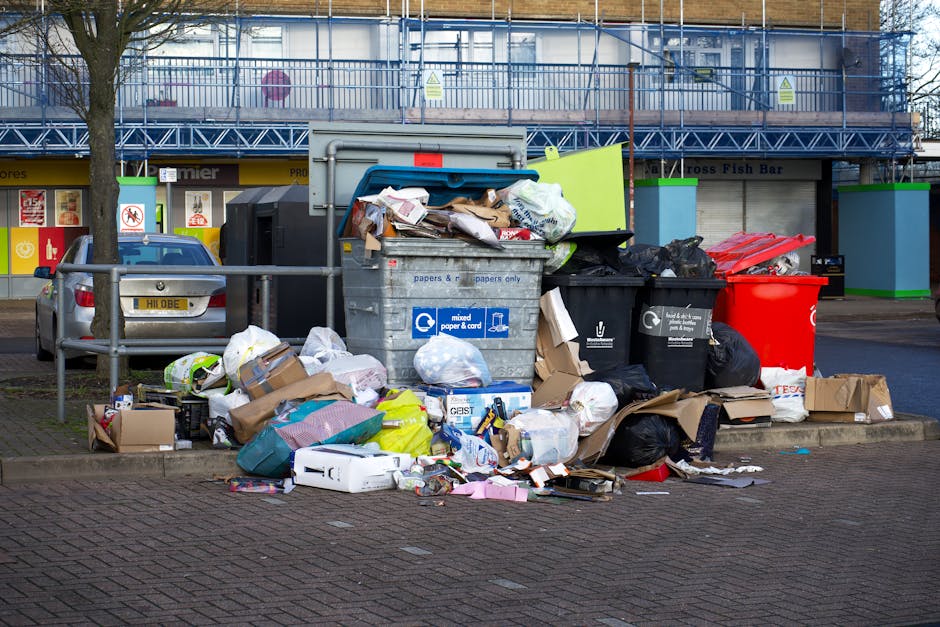
In a place like Highbury Fields, space is precious. Front gardens are often small, access can be narrow, parking is never something you want to assume will be easy, and neighbours are close enough to hear every bin lid slam. That's one reason skip alternative rubbish removal makes so much sense here. It is designed for situations where a standard skip is awkward, overkill, or simply not worth the disruption.
A skip can be the right answer in some circumstances, of course. But for many households, the real issue is practicality. Where will it go? Will it block access? Do you need a permit? How long will it sit there? And do you really want builders' dust, old chairs, and a mountain of broken shelves parked outside your home for a week? Sometimes the answer is yes. Often, it isn't.
Skip alternatives are especially helpful for homes near the park and on the surrounding residential streets because they reduce street clutter and can be arranged around your schedule rather than the other way round. If you're already juggling work, family life, or a renovation deadline, that flexibility is a small but real relief.
For people exploring broader house clearances, it can also help to understand the full service picture first. The services overview gives a useful sense of how different clearance and collection options fit together, while the house clearance service in Islington is often relevant if the job has grown beyond a simple one-off rubbish load.
How Skip alternative rubbish removal for Highbury Fields homes Works
At a simple level, skip alternative rubbish removal means a team comes to collect your waste directly from the property, rather than leaving a skip for you to fill over time. Depending on the job, this may involve a same-day or scheduled collection, loading by hand, sorting the material, and transporting it for disposal, reuse, or recycling where appropriate.
The process tends to look like this:
- You describe the waste and the access conditions.
- A quote is prepared based on volume, type of material, labour, and any special handling needed.
- A collection slot is arranged, often with a time window that suits your day.
- The team arrives, loads the waste, and clears the area as they go.
- The waste is taken away for sorting and responsible disposal.
That sounds straightforward because, most of the time, it is. The main difference from a skip is that you are paying for convenience, labour, and speed, not just space in the street.
Some jobs need more than general rubbish collection. For example, post-renovation waste may involve heavier materials, and a garden reset might produce bags of soil, branches, and tangled green waste. In those cases, specialist help can be a better fit. If your project has a building element, take a look at builders waste disposal in Islington; if it is mostly branches, hedge cuttings, or lawn debris, garden waste removal in Islington may be the cleaner route.
One practical benefit here is that you do not need to fill a container yourself. No climbing over piles of stuff. No awkwardly trying to fit a wardrobe door at an angle. No "maybe it will balance if I just..." moments. We've all seen those. They rarely end well.
Key Benefits and Practical Advantages
Skip alternatives are not only about avoiding the hassle of a skip permit. They can also make the whole clearance feel calmer and more controlled. That matters more than people expect, especially when the house is already under pressure from a move, refurbishment, bereavement, or a long-overdue declutter.
Key advantages include:
- No skip sitting outside your home, which keeps the street clearer and reduces visual clutter.
- Less manual lifting for you, because the collection team handles the loading.
- More flexible for awkward access, especially in narrow or permit-sensitive streets.
- Often faster turnaround, which is useful when you need space back quickly.
- Better suited to mixed waste streams such as furniture, packaging, and light renovation debris.
- Cleaner for occupied homes, since you are not working around a skip for several days.
There is also a mental benefit, which sounds fluffy until you are standing in a hallway full of boxes and wondering where on earth to start. A booked collection gives the job a shape. You know what day the clutter leaves. That alone can be a relief.
For homeowners thinking about long-term upkeep or moves, it may help to read more about the wider local context too. Articles like this local view of Islington living and the broader guide to living in Islington offer a useful picture of why convenience-led services are so valued around here.
Who This Is For and When It Makes Sense
This kind of rubbish removal is not just for major clear-outs. In fact, many of the best uses are fairly ordinary. A flat that has accumulated too much stuff. A spare room that has become a storage zone. A kitchen rip-out. A garden that needs reclaiming. A landlord preparing for new tenants. Small but messy jobs, basically.
It tends to make sense if:
- you live in a home with limited outdoor space;
- parking is tight or heavily used;
- you only have one off-clearance rather than ongoing waste generation;
- you want waste gone quickly without managing a skip yourself;
- the items are too bulky for normal household bins;
- you need a cleaner, less disruptive option for neighbours and passers-by.
It can also be a good fit for homeowners who are in the middle of buying, selling, or refurbishing. If you are preparing for a move, the pace of decision-making gets real fast. A cleaner, less cluttered space helps the whole place feel more manageable. For people in that stage, this guide to house purchases in Islington and the notes on investing in Islington property are useful background reading, especially if the clearance is part of a wider property decision.
It may not be the right fit if you need an extremely large container for an extended building project. In those cases, compare the scale of waste carefully and look at the practical access on your street. Sometimes a skip still wins. Fair enough. The point is to choose the least disruptive option that actually suits the job.
Step-by-Step Guidance
If you want a smooth experience, the job works best when you plan it in a simple, ordered way. Nothing fancy. Just a little care up front saves a lot of back-and-forth later.
1. Sort the waste into broad groups
Start by separating general household clutter, furniture, electrical items, garden waste, and any heavier or awkward materials. You do not need museum-level sorting, but having an overview helps the quote be more accurate and keeps the collection day moving.
2. Identify anything that needs special handling
Batteries, paint tins, gas canisters, chemicals, and some electrical items may need different treatment. If you are unsure, ask before collection day. It is always better to check than to assume.
3. Measure access and parking realistically
Think about stairs, tight hallways, basement entries, and where a vehicle might stop safely. Highbury Fields homes can have awkward access, and a five-minute reality check at the start can prevent a long and annoying delay later.
4. Get a clear quote
Ask what the price includes: labour, loading, disposal, recycling, and any access charges if relevant. A good quote should feel understandable, not like a puzzle. If you want to compare options first, the pricing and quotes page is a sensible place to begin.
5. Prepare the items for collection
Move waste to one area if possible, but only if it is safe to do so. Don't strain your back just to save ten minutes. That is how people end up regretting an apparently simple Saturday job.
6. Confirm what happens on the day
Make sure you know the arrival window, where the team can access the property, and whether anyone needs to be present. If the clearance is happening around the home rather than in it, brief the team on any items to leave behind.
7. Check the cleared space before the team leaves
It sounds obvious, but it helps. Walk through the area, check corners, sheds, under stair spaces, and loft hatch zones if relevant. A quick final look keeps small mistakes from becoming bigger ones.
Expert Tips for Better Results
A few small habits make the whole process better. Nothing complicated, just practical common sense backed by experience.
- Photograph the waste before you book. It helps when describing volume and type, especially for mixed loads.
- Be honest about access. If there are stairs, parking restrictions, or a long walk from the vehicle, say so early.
- Keep reusable items separate. A chair that can be donated should not get mixed with broken furniture if it can be avoided.
- Label anything you definitely want kept. A small note or tape label can prevent avoidable confusion.
- Book slightly earlier than you think you need. Time has a funny way of disappearing when a room is half cleared.
One useful local tip: if the property is on a busy stretch near Highbury Fields, plan around the times when parking and access are least stressful. Early starts often work well. By mid-morning, the street is already waking up, a few cars have shuffled into place, and what seemed simple at 8:00 can feel unnecessarily fiddly at 10:30.
And if the clearance is part of a broader home project, it is worth checking the provider's support information too. The pages on insurance and safety and recycling and sustainability are the kind of detail many people skip, then wish they hadn't.
Common Mistakes to Avoid
Most problems are avoidable. The tricky bit is that they usually look minor at first.
- Underestimating the amount of waste. Two "just a few bags" often becomes a full room once everything is gathered.
- Not separating restricted items. This can slow the job and create safety issues.
- Ignoring access realities. Narrow entrances, stairs, or parking limits can affect pricing and timing.
- Leaving the booking too late. A rushed arrangement usually costs more stress than it saves.
- Choosing purely on price. Cheap sounds lovely until the service does not include the labour, the right disposal route, or the communication you expected.
A smaller mistake, but one that comes up a lot: assuming all waste is handled the same way. It isn't. General rubbish, garden waste, building materials, office contents, and household clearances can all need different handling. If you are clearing a work area, a dedicated office clearance service may be more suitable than a general household collection.
There is no need to overcomplicate it. Just be clear, a little organised, and realistic about what the job involves.
Tools, Resources and Recommendations
You do not need specialist equipment for most skip alternative rubbish removal jobs, but a few basics help the day go more smoothly:
- Sturdy bin bags or rubble bags for smaller loose items.
- Gloves for handling dusty or sharp objects.
- A tape measure for checking bulky furniture, door widths, or awkward items.
- Moving blankets or cardboard to protect floors and corners if items are being shifted inside.
- Labels or notes so everyone knows what stays and what goes.
From a planning point of view, the most useful resources are often the service pages themselves. For a broader overview of clearance categories, revisit waste removal in Islington and rubbish collection in Islington. They help you work out whether the job is a straightforward collection, a larger clearance, or something in between.
If you are keen to understand the company background and working approach, about us gives a useful sense of values and service style. That matters more than people think. Good communication is part of the job, not an optional extra.
Law, Compliance, Standards, or Best Practice
Waste removal in the UK is not something to be casual about. You do not need to become a legal expert to book a clearance, but you should expect responsible handling, safe loading, and sensible disposal practices. If you are paying a professional service, it is reasonable to ask how your waste is processed and whether items are sorted for recycling where possible.
Best practice usually includes:
- clear communication about waste type and volume before collection;
- safe lifting and loading practices to reduce injury risk;
- respect for property access, neighbours, and shared areas;
- responsible separation of reusable, recyclable, and non-recyclable materials;
- careful handling of electrical, sharp, heavy, or hazardous items.
If your property has shared access, leasehold rules, or building management requirements, check those before booking. That is especially sensible in managed blocks where access times, lift use, and loading bays can be more regulated than they first appear.
For peace of mind, it is also worth reviewing the site's support and policy pages, such as terms and conditions, privacy policy, and payment and security. Those pages do not make for thrilling bedtime reading, granted, but they do tell you a lot about how the business operates.
Options, Methods, or Comparison Table
Below is a simple comparison to help you choose between a skip and a skip alternative collection. The right answer depends on your waste, your access, and how much control you want over the timing.
| Option | Best for | Main advantage | Main drawback |
|---|---|---|---|
| Traditional skip | Larger projects with space outside the property | You can fill it over time | May need a permit and can be awkward in busy streets |
| Skip alternative rubbish removal | Homes with limited access or one-off clearances | Fast, flexible, less street disruption | Usually depends on booked collection windows |
| Self-haul to a disposal site | Small amounts and owners with a suitable vehicle | Direct control over timing | Laborious, time-consuming, and physically demanding |
For Highbury Fields homes, the middle option is often the sweet spot. It removes the need to manage a container outside your property, while still giving you a professional team and a clear finish line. That combination is very hard to beat for the average household clear-out.
Case Study or Real-World Example
Picture a top-floor flat near Highbury Fields after a long-planned declutter. There is an old sofa that has seen better days, three bags of general rubbish, a dismantled shelving unit, several boxes of mixed household items, and a small pile of garden trimmings from a patio that has been ignored since last summer. The resident wants the place clear before a decorator arrives on Friday morning.
A skip would be possible, but not ideal. The street is tight, parking is uncertain, and the resident does not want a skip sitting outside while neighbours and delivery vans navigate around it for days. Instead, a skip alternative rubbish removal booking is arranged for a single morning slot.
The team loads the furniture first, then the mixed bags, then the lighter green waste. The resident keeps anything personal or reusable aside in advance, which saves time. The whole job is done in one visit, and the flat feels immediately calmer. Not glamorous, just satisfying. You can almost hear the echo in the emptied room.
This is the sort of scenario where the service makes sense. It reduces friction, keeps the street clear, and gives the homeowner a proper reset without turning the whole week into a logistics exercise.
Practical Checklist
Use this checklist before your collection day. It helps more than you'd think.
- Have I sorted waste into rough categories?
- Have I set aside anything I want to keep, donate, or sell?
- Are there any batteries, liquids, or other restricted items?
- Have I checked access, stairs, and parking constraints?
- Do I know what the quote includes?
- Have I told the provider about bulky or heavy items?
- Is there a clear path from the waste to the collection point?
- Have I removed anything fragile from the area?
- Do I know the collection window and who will be present?
- Have I reviewed the terms, payment details, and any property rules?
Practical summary: if you prepare the waste clearly, confirm access in advance, and choose the right service type for the job, skip alternative rubbish removal becomes a simple, tidy solution rather than a stressful one. That is the whole point really.
Conclusion
For many Highbury Fields homes, skip alternative rubbish removal is the smarter, calmer, more flexible way to deal with unwanted waste. It avoids the awkwardness of a skip outside the property, reduces the effort on your side, and suits the realities of London living: limited access, busy streets, and not much patience for unnecessary disruption.
The best results come from simple planning. Know what you are clearing, be honest about access, and choose a provider that explains the process clearly. Once that is in place, the whole thing becomes surprisingly straightforward. And honestly, there is something lovely about seeing a cluttered room or overfilled corner return to normal.
If your home is ready for a clear-out, and you want a practical route that fits local life rather than fighting against it, this is a very sensible place to start.
Get a free quote today and see how much you can save.


Copyright © . House Clearance Islington. All Rights Reserved.