Avoid hidden rubbish charges in Islington when booking
Posted on 22/06/2026
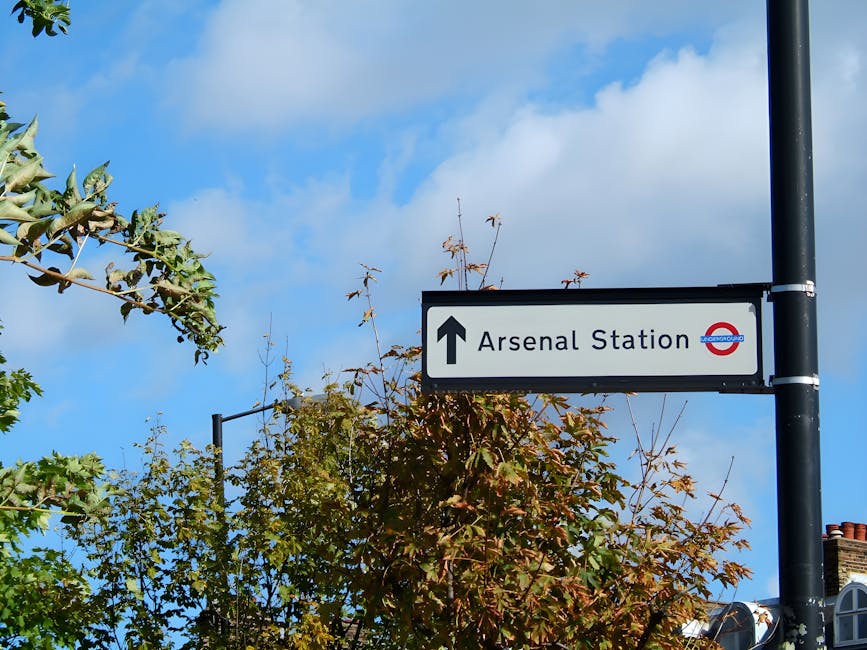
If you are trying to avoid hidden rubbish charges in Islington when booking, you are probably after one simple thing: a clear price that stays clear. Fair enough. Nobody wants a quote that looks tidy at first and then grows teeth halfway through the job. In a place like Islington, where access can be tight, parking can be awkward, and loads vary from one flat to the next, surprise fees can creep in if you do not ask the right questions from the start.
This guide breaks down how hidden charges happen, what to check before you book, and how to compare rubbish removal quotes properly. You will also find a practical checklist, a comparison table, and a few local-minded tips that make the whole process a lot less stressful. If you are clearing a flat near Angel, sorting builders waste after a refurb, or just trying to get rid of a pile of household junk, the same principle applies: know the full cost before anyone turns up at the kerb.
Why Avoid hidden rubbish charges in Islington when booking Matters
Hidden rubbish charges are more than a nuisance. They can turn a job that felt manageable into a surprisingly expensive one. The trouble is not always dishonesty, either. Sometimes it is vague quoting, sometimes it is poor communication, and sometimes it is simply a mismatch between what the customer expected and what the collection crew found on arrival.
In Islington, that risk can be higher than people expect. Many streets have tight access, limited loading time, shared entrances, top-floor walk-ups, and parking restrictions that affect the time and effort needed. A quote that ignores those realities may look appealing, but it may not reflect the actual job.
To be fair, most people are not booking rubbish removal every week. You might be moving house, clearing a rented flat, dealing with post-renovation debris, or finally tackling the shed that has become a small museum of broken things. In those moments, the last thing you need is an awkward conversation about extra charges at the end.
That is why clarity matters. It protects your budget, avoids frustration, and helps you compare providers on real value rather than on a deceptively low headline price.
Practical takeaway: if the quote is not broken down clearly, assume you do not yet know the real price. Ask again before booking.
If you want to understand how a service fits into the wider local picture, it can help to look at broader Islington resources too, such as the services overview and the company's pricing and quotes guidance. Those pages are useful when you are comparing what is included rather than just chasing the cheapest number on screen.
How Avoid hidden rubbish charges in Islington when booking Works
The simplest way to avoid hidden charges is to understand how rubbish removal quotes are usually built. Most providers base pricing on a mix of waste volume, waste type, labour, access, and disposal costs. If any one of those factors changes, the price can change too.
Here is the rough flow. First, the provider asks what you want removed. Then they estimate how much space it will take in the vehicle or how many people and how long the job will require. After that, they consider access issues such as stairs, parking distance, narrow hallways, or whether the waste needs to be carried from the back garden or basement. If the material is specialist waste, that may also affect the cost.
The catch is simple: if your description is incomplete, the quote may be incomplete. That is where surprise fees tend to appear. A "small pile of rubbish" can mean one person's old chair and lamp, or another person's sofa, mattress, bags, dismantled wardrobe, and a broken washing machine. Same words, different job.
Most honest operators will either ask follow-up questions or explain exactly what could change the price. That is a good sign. It usually means they are trying to price the work properly rather than dangling a low entry price and hoping to make it up later.
For local context, articles like house rubbish clearance near Angel Station and fast local tips for Upper Street are helpful because they show how practical location and access can shape the job. That really is the point here.
Key Benefits and Practical Advantages
Clear pricing is not just about saving money, though that is obviously nice. It also makes the whole job easier to plan, especially if you are juggling a move, a refurbishment, or tenants coming and going. When the price is transparent, you can decide faster and with less second-guessing.
- Better budgeting: you know what to expect before the van arrives.
- Less stress: fewer awkward last-minute conversations about extra costs.
- Faster decisions: you can compare providers on fair terms.
- Improved trust: transparent pricing usually signals a more organised service.
- Fewer delays: the crew arrives with a clearer idea of the work.
There is also a practical side that people sometimes overlook. When you ask the right questions up front, you get a better picture of how the job will run. That can help you decide whether you need a same-day collection, a larger vehicle, or a different kind of service altogether. For example, a straightforward household clear-out may fit neatly into house clearance in Islington, while mixed waste from a refit may need a more targeted option such as builders waste disposal in Islington.
Another benefit? You avoid the false economy of choosing the cheapest quote and then paying more later. That happens more often than people like to admit. Cheap upfront, expensive by the end. Lovely.
Who This Is For and When It Makes Sense
This approach makes sense for almost anyone booking waste removal in Islington, but it is especially useful if your job has more than one moving part. If your waste is easy to describe, access is straightforward, and you are booking a standard collection, the process is usually simpler. Once you add stairs, time pressure, parking issues, or bulky items, you need to be more careful.
It is particularly relevant if you are:
- clearing a flat, maisonette, or house before or after a move
- dealing with items from a renovation or small building project
- disposing of office furniture or archived paperwork from a workspace
- removing garden waste after a seasonal tidy-up
- trying to shift a few bulky items without hiring a skip
It also matters if you are comparing quotes from different services. One provider might include labour and disposal, while another quotes only the collection vehicle. One might charge extra for certain items. Another might add fees for waiting time or access. Unless you compare like for like, the cheapest offer can be misleading.
If you are unsure what type of service suits your job, the broader waste removal in Islington and rubbish collection in Islington pages are useful starting points because they help you think in terms of the job, not just the truck.
Step-by-Step Guidance
If you want to avoid hidden rubbish charges in Islington when booking, use a simple process. It sounds basic, but this is where a lot of people go wrong. They ask for a price, get a number, and stop there. A better approach takes a few more minutes and saves a lot of hassle.
- List everything you want removed. Be specific. "Three black bags, one broken desk, two chairs, one mattress, and some timber offcuts" is much better than "a load of rubbish."
- Explain access clearly. Mention stairs, lift access, rear garden access, parking distance, and whether the team can park nearby. In Islington, those details can matter a lot.
- Ask what is included in the quote. Labour, disposal, congestion, parking, VAT if applicable, and item-level surcharges should all be clarified.
- Confirm how price changes are handled. Ask what happens if the load is slightly larger than expected. "Slightly" is doing a lot of work there, but it is worth asking.
- Request written confirmation. Even a short email or message is better than relying on memory. People remember quotes differently when they are standing in a hallway with a sofa in the way.
- Check timing and arrival expectations. If a job needs to be done during a narrow window, make that clear at the start.
- Ask about special items. Fridges, mattresses, electricals, paint tins, and heavy rubble can all be treated differently.
A useful habit is to take a few photos from different angles before booking. Not glamorous, but very effective. A provider can usually judge the job more accurately from clear images than from a rushed phone description. Morning light helps, oddly enough. Dark hallway photos are rarely helpful to anybody.
If your job is more specialised, say a garden tidy-up, it may make sense to compare it against garden waste removal in Islington rather than a generic clearance. That small distinction can make the quote much more accurate.
Expert Tips for Better Results
Here are the things that make the biggest difference in real life. Not theory. Actual booking experience.
- Describe waste by category. Separate furniture, bagged rubbish, electrical items, wood, green waste, and rubble.
- State whether items are dismantled. A flat-pack wardrobe in pieces is very different from a wardrobe still assembled in a bedroom corner.
- Mention difficult access early. Ground-floor jobs are usually simpler than top-floor collections without lifts. Obvious, yes, but often missed.
- Ask if the quote is fixed or estimate-based. That one question can save a lot of misunderstanding.
- Check the collection window. If the team is paid by time on site, delays caused by access issues can affect the price.
- Choose a provider that explains exclusions plainly. Vague language is a warning sign.
My honest view? The best providers tend to be the ones who ask awkwardly detailed questions. It can feel a bit much at first, but it usually means they are thinking ahead. And that is exactly what you want.
For added reassurance, look at wider trust pages such as insurance and safety, payment and security, and about us. They do not tell you everything, of course, but they can help you judge how seriously a company treats the basics.
Common Mistakes to Avoid
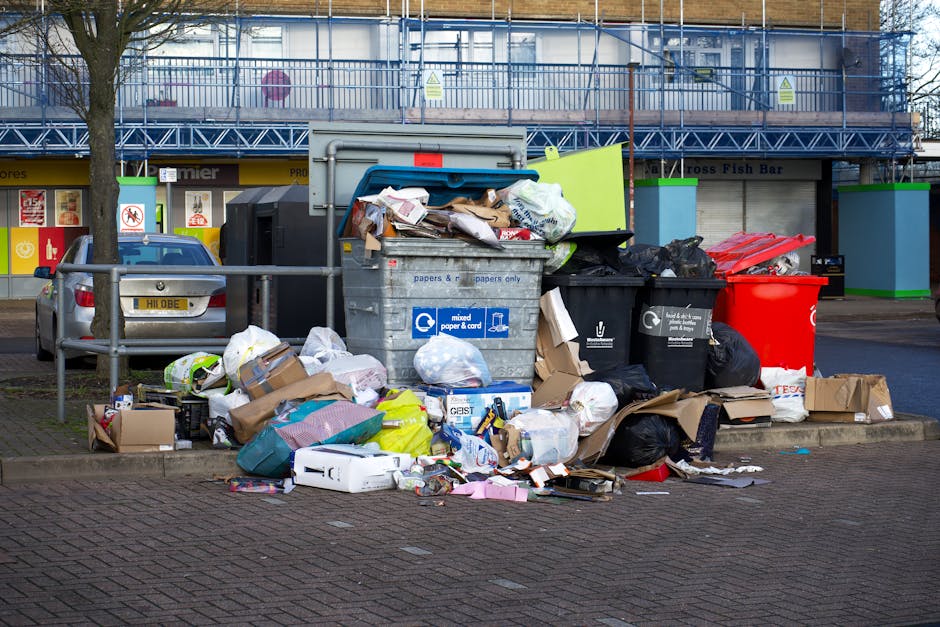
Most hidden charges come from a handful of avoidable mistakes. Once you know them, they are easy enough to sidestep. The trouble is that people usually discover them after the invoice arrives. Bit late then.
- Booking on headline price alone. The cheapest ad is not always the cheapest job.
- Underestimating volume. Two van loads cost more than one. Simple, but very common.
- Forgetting access restrictions. Narrow staircases and long carries are not minor details.
- Not asking about item surcharges. Mattresses, fridges, and rubble may be priced differently.
- Leaving mixed waste unmentioned. Mixed loads can be more complex to process.
- Assuming every quote is fixed. Some are estimates, and that distinction matters.
- Skipping confirmation. A quick written summary prevents most misunderstandings.
Another subtle mistake is giving the exact same description to every provider and assuming the answers should all match. They should be broadly comparable, yes, but if one company asks a lot more questions, that may actually be a good sign rather than a nuisance.
And here is a small one that catches people out in Islington a lot: forgetting about parking and loading. If the van has to wait while you sort access or permission, the clock may be ticking. You do not want to be figuring that out while someone is carrying a sofa down the stairs.
Tools, Resources and Recommendations
You do not need fancy tools to book well. A phone, a few photos, and a short checklist are usually enough. Still, a few practical resources inside your own planning process can make the whole thing smoother.
- A simple item list: write everything down before you request a quote.
- Photos or a short video: useful for giving a realistic picture of the load.
- Room-by-room notes: handy for clearances involving several spaces.
- A measuring tape: useful if you are unsure whether a bulky item needs dismantling.
- Written quote comparison: compare what is included, not just the headline number.
Within the site itself, the most useful pages for this topic are probably pricing and quotes, services overview, and the relevant local service pages if your job is more specific. If the removal is tied to a business premises, office clearance in Islington may be the better fit. That is the kind of detail that saves money and confusion.
For readers interested in the borough itself, a few local reads such as a local view of living in Islington and discovering the charms of Islington help put the area in context. Not essential, but they do remind you why local knowledge matters here.
Law, Compliance, Standards, or Best Practice
When rubbish is being collected, you want the work to be handled in a responsible and lawful way. Without getting overly technical, good practice usually means the waste is transported, handled, and disposed of properly, with clear communication about what is included and what is not. If a provider is vague about disposal or avoids explaining how certain waste types are managed, treat that as a red flag.
For most customers, the practical takeaway is straightforward: choose a company that is clear about pricing, waste handling, and safety. Reputable operators should be able to explain their process in plain English. You do not need a lecture. You do need clarity.
It is also sensible to check whether the company's policies are easy to find. Pages like terms and conditions, privacy policy, recycling and sustainability, and accessibility statement can tell you a fair bit about how a business operates. That does not guarantee perfection, obviously, but it does help you judge transparency.
For specific waste streams, best practice can also mean using the right service for the job. Builders debris, garden clippings, and domestic junk are not always treated the same way, so the more precisely you describe the waste, the more accurate the quote tends to be.
Options, Methods, or Comparison Table
There are a few ways to handle rubbish removal in Islington, and each one has pros and cons. The best option depends on how much waste you have, how quickly it needs to go, and how much access you have to the property.
| Option | Best for | Pros | Watch out for |
|---|---|---|---|
| Pre-quoted rubbish collection | Simple jobs with clear access | Easy to plan, usually faster to book | Make sure the quote includes all expected extras |
| On-site assessed clearance | Mixed loads or uncertain volumes | More accurate once the team sees the waste | Ask how pricing changes if the load differs from the estimate |
| Specialist waste removal | Builders waste, green waste, office items | Better fit for specific materials | Item type may affect cost and handling |
| Skip alternative collection | Homes with limited space or awkward access | No skip permit hassle, often less disruptive | Be clear on load size and timing |
One practical difference is whether the provider expects a fixed load or an adjustable one. A fixed-load approach can be simple if you know what you have. An assessed approach works better when the pile is, let's say, a bit more emotionally complex than a few bin bags.
If you are weighing up alternatives, the page on skip alternatives for Highbury Fields homes is a useful example of how space, access, and convenience shape the decision.
Case Study or Real-World Example
Here is a realistic example. A resident in a first-floor flat near Angel needs to clear a broken wardrobe, a mattress, several bags of old clothes, and some packaging after a move. The hallway is narrow, the lift is too small for the wardrobe, and parking outside is limited. If they simply say "one room of rubbish," the quote may come back low and then change later.
Instead, they send photos, list every item, mention the stairs, and explain that access is via a busy street with tight loading. The provider can now give a much better estimate. On the day, the team arrives prepared, the job is handled in one visit, and the final bill matches the agreed scope because everyone understood the load in advance.
That is the outcome you are aiming for. Not magic. Just good information.
In another common scenario, a small office in Islington is being cleared after a relocation. The customer assumes old desks, monitors, and paperwork will all be priced the same. They will not be. Office items can have different handling needs, and any confidential waste should be treated carefully. A clear quote up front avoids a painful surprise later, and it keeps the move on schedule rather than turning into a half-day phone call.
For more on business-related clearances, the office clearance in Islington page gives a better sense of how those jobs are approached.
Practical Checklist
Use this before you confirm a booking. It takes a few minutes and can save a fair bit of money.
- Have I listed all waste clearly?
- Have I included bulky items, electricals, and anything unusual?
- Have I explained access, stairs, parking, and distance from the van?
- Do I know whether the quote is fixed or estimated?
- Have I asked what is included in the price?
- Have I asked about possible extras or item-specific fees?
- Have I requested written confirmation?
- Have I checked the service is right for the type of waste?
- Have I confirmed the time window and collection expectations?
- Do I feel comfortable that the provider has been transparent?
If you can tick most of those boxes, you are in a much stronger position. Simple as that. And if one answer feels fuzzy, ask again. Better a slightly longer email thread than a surprise charge on the day.
Conclusion
To avoid hidden rubbish charges in Islington when booking, focus on clarity, not just cost. Describe the job properly, explain access honestly, and ask what is included before anyone lifts a single bag. That small bit of care gives you a far better chance of getting a fair price and a smooth experience.
In a busy local area, that kind of preparation really matters. Whether you are sorting a flat clear-out, garden waste, builders debris, or a one-off bulky collection, the same rule applies: the more precise you are, the fewer surprises you will face. And honestly, that is half the battle won.
Get a free quote today and see how much you can save.
Book with confidence, ask the awkward questions early, and you will usually find the whole process is much less stressful than it first looks. A bit of honesty up front goes a long way.


Copyright © . House Clearance Islington. All Rights Reserved.